Stop water damage
Catch leaks before they turn into floods.
8 steps · about 4.5 hr in all
Start this plan in Haven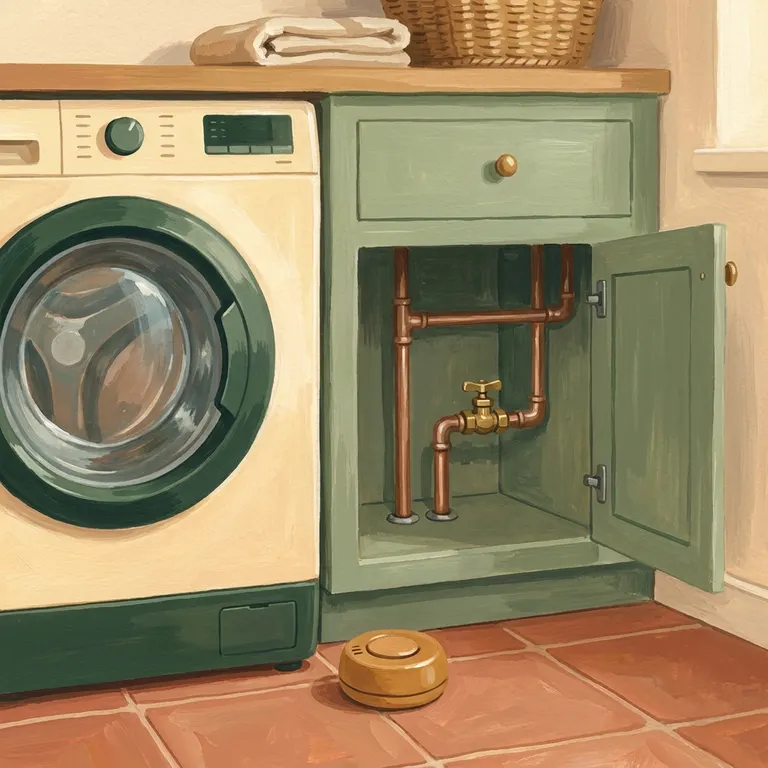
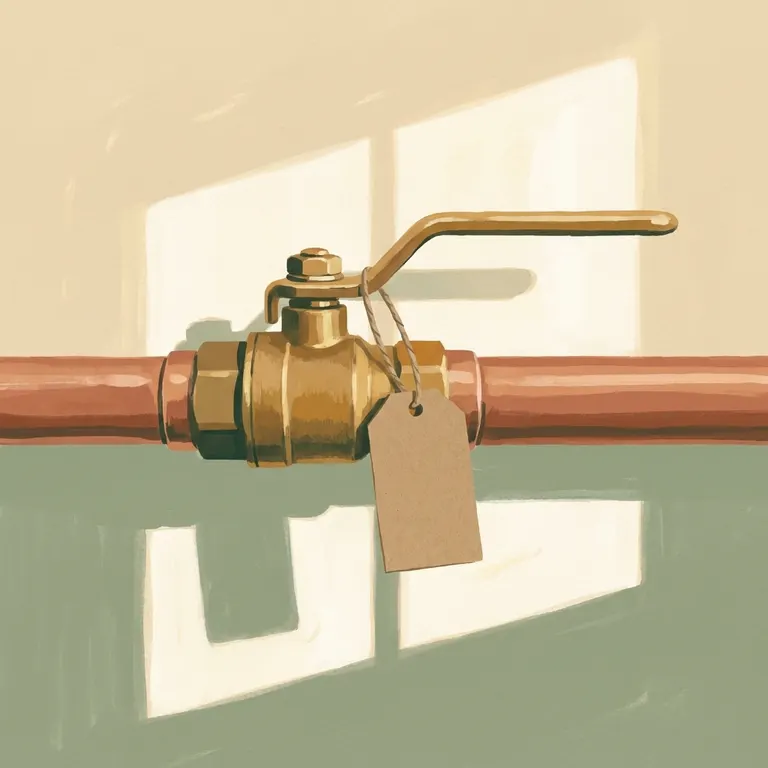
- Find and label your main water shutoffWhen a pipe bursts, this is the one valve that stops water entering the whole home and there’s no time to hunt for it then; turn it gently, and call a plumber if it’s stuck.20 min · Easy · One time
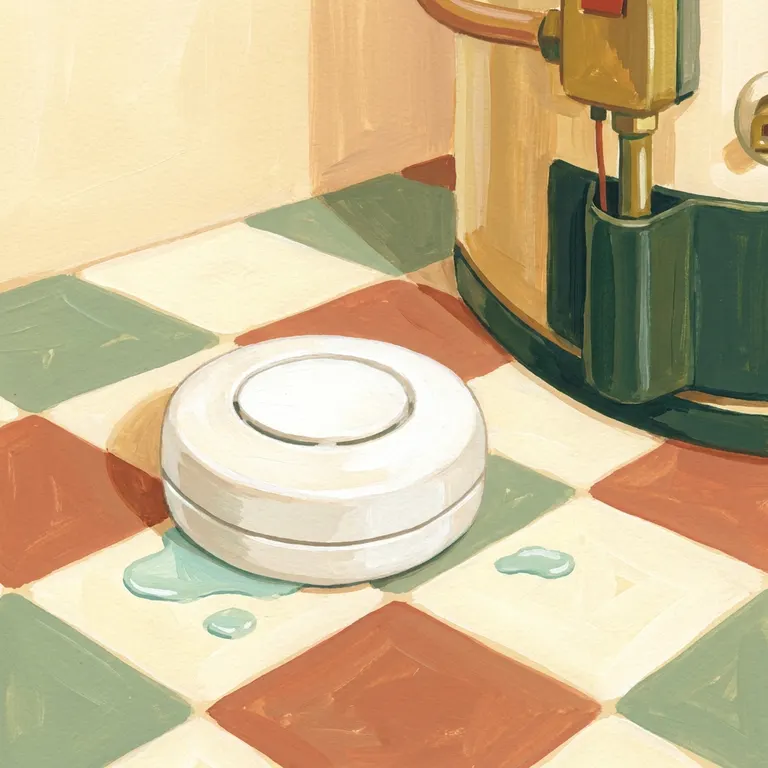
- Put water leak alarms where leaks startA battery water alarm on the floor by the water heater, washer, toilets and under sinks sounds as soon as water reaches it, so a slow leak gets caught early.30 min · Easy · One time
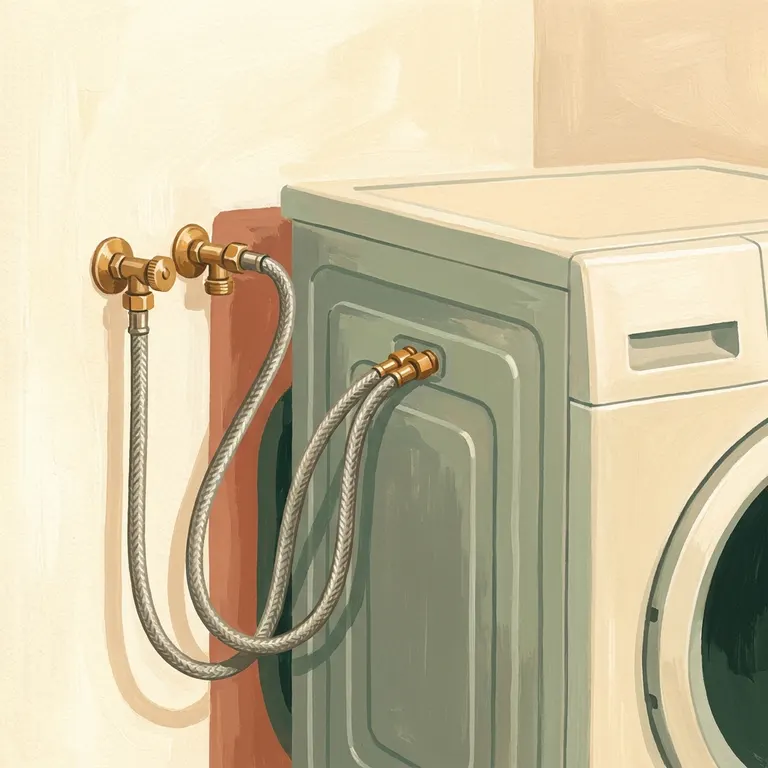
- Check your washing machine hosesRubber supply hoses crack and burst with age, so look for bulges, cracks or drips near the ends, and replace them every five years with braided stainless steel.15 min · Easy · Every 6 months
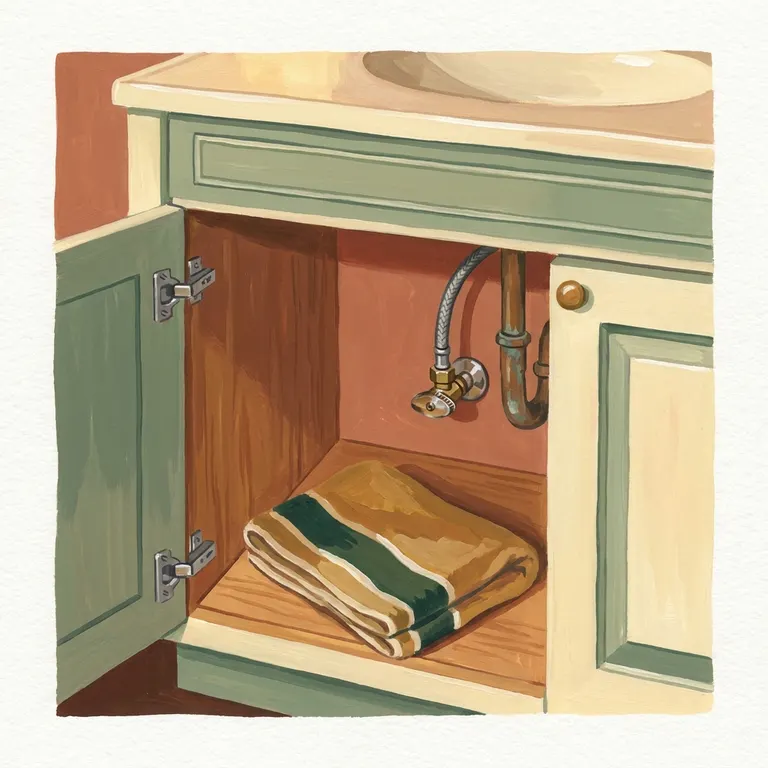
- Check the water lines under sinks and toiletsThe small hoses that feed each toilet and faucet wear out, so look for drips, kinks or corrosion and gently turn each shutoff valve to make sure it still stops the water.20 min · Easy · Every 6 months
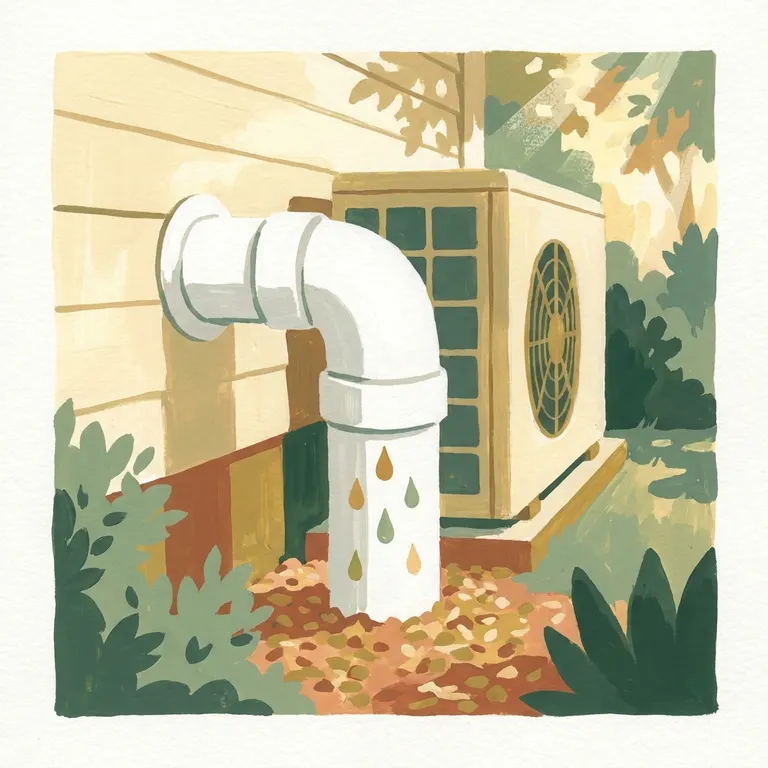
- Check your AC condensate drain lineYour AC pulls water out of the air and drains it through a small pipe; check that it’s flowing at the start of cooling season, and call a pro if it’s clogged.20 min · Easy · Yearly · Homes with central air, a heat pump or a mini-split
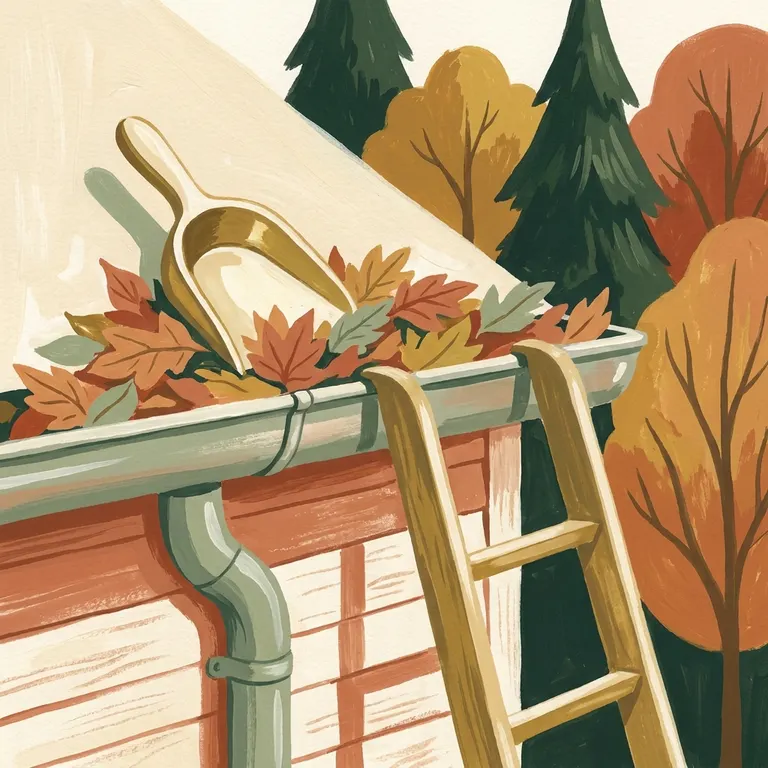
- Clean your gutters and check the downspoutsClear gutters carry rain and snowmelt away from your roof and foundation, so clean them in spring and fall, make sure downspouts empty at least 5 feet from the house, and hire a pro for anything you can’t reach safely.1.5 hr · Moderate · Every 6 months · Homes with gutters the owner looks after
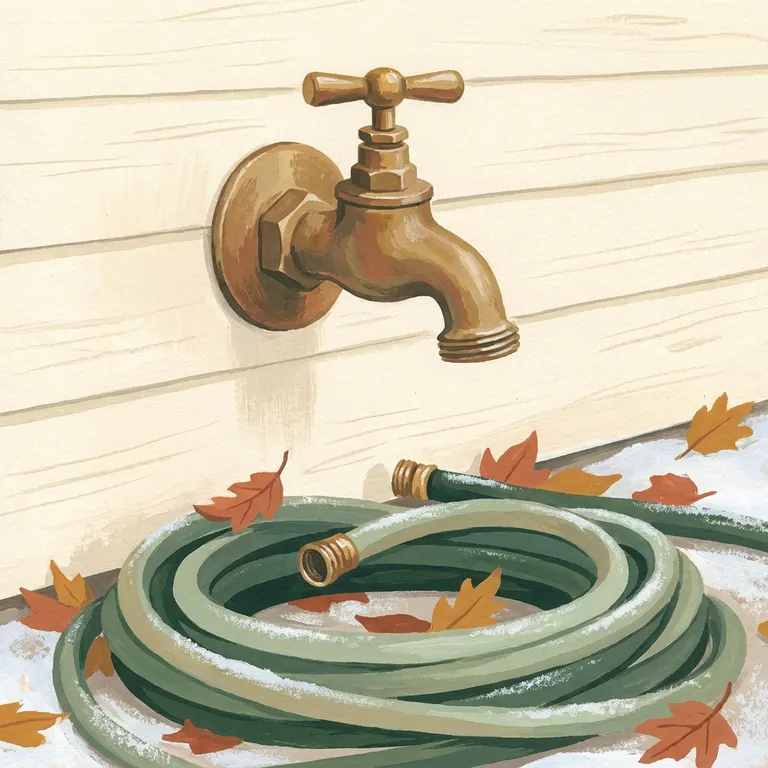
- Disconnect hoses and drain outdoor faucetsBefore the first freeze, remove garden hoses, close the indoor shutoff valve for each outdoor faucet if there is one, then open the faucet outside to drain it and leave it open.20 min · Easy · Yearly · Doesn’t usually apply to apartments
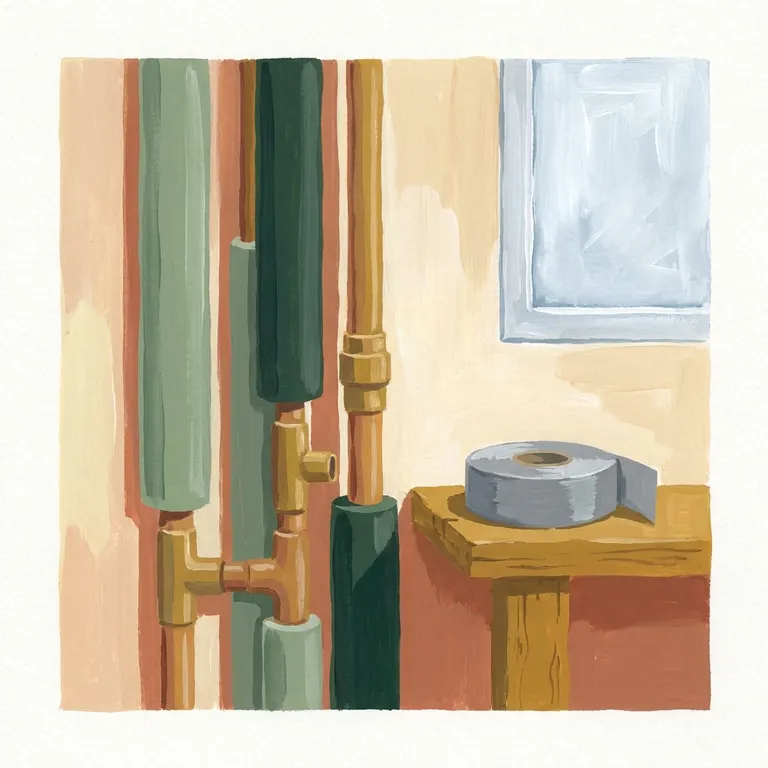
- Protect pipes in unheated spaces from freezingPipes in garages, crawl spaces, attics and outside walls freeze first, even where hard freezes are rare; insulate them, let a faucet drip on very cold nights, and keep the heat at 55°F or above.1 hr · Easy · Yearly
Keep this plan for your own home.
Haven fits the steps to your house, reminds you when each one is due, and Clark walks you through any of them.